September 4, 2026
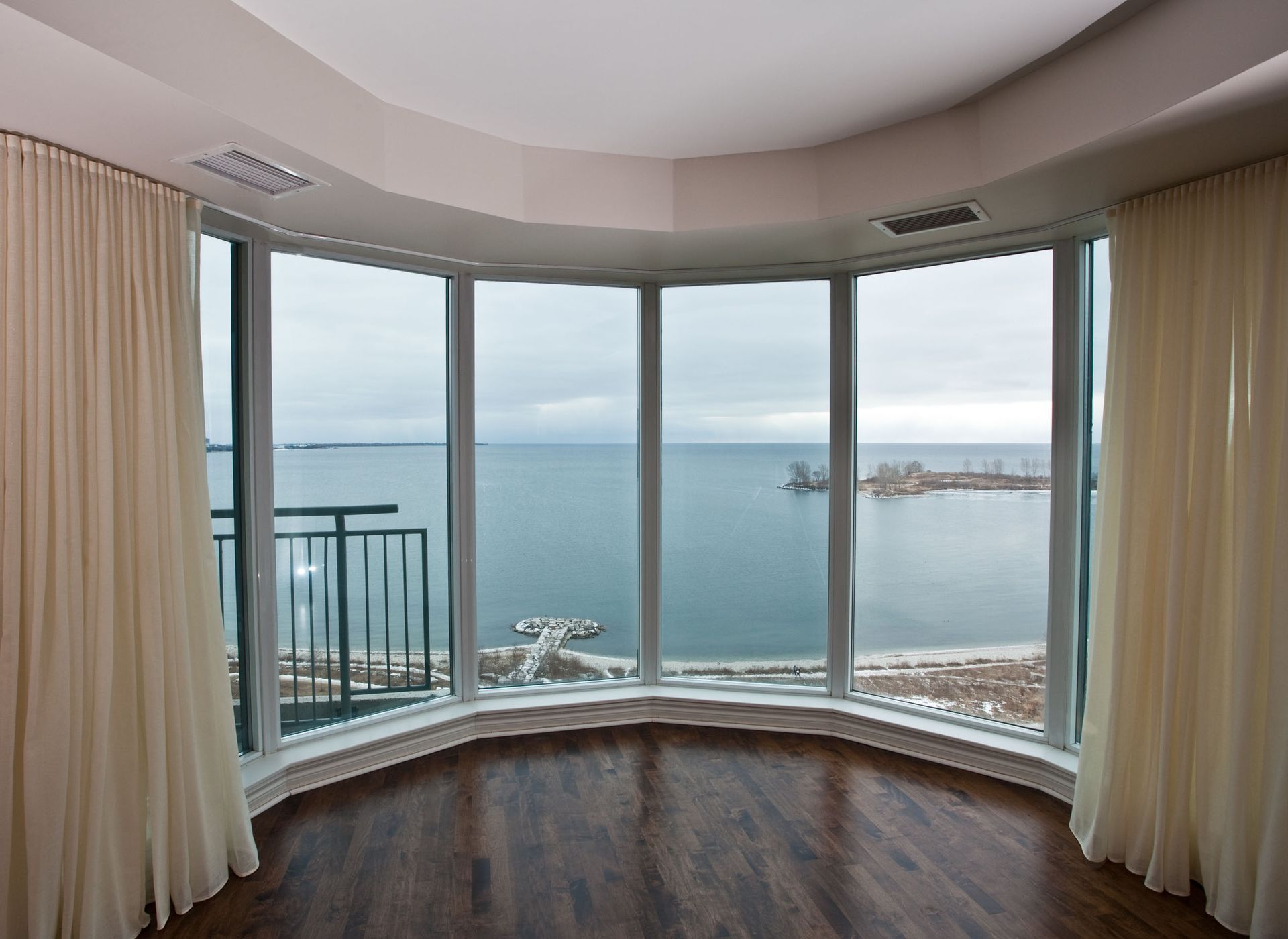
Window treatments have a powerful influence on how a room feels. Fabric, color, pattern, and texture naturally receive plenty of attention, but placement is just as important to the finished design. Drapery hung too close to the window can make the opening and surrounding wall feel smaller, while thoughtfully positioned custom draperies can emphasize ceiling height, create graceful proportions, and give the entire room a more polished appearance. The ideal placement depends on the window, ceiling, architecture, hardware, and overall design of the space.
Professional designers consider the complete wall rather than treating a window as an isolated feature. The goal is to create visual balance between the treatment and everything surrounding it. According to Architectural Digest, custom drapery hardware should generally be positioned four to six inches above the window frame or placed even closer to the ceiling to draw the eye upward and make ceilings appear significantly taller. That guidance provides a useful starting point, but successful placement still requires careful consideration of each individual room.
Considering the Height of the Window
Evaluating the Window Proportions
Window dimensions provide an important starting point for determining drapery placement. A short window may benefit from a treatment positioned considerably above the frame because the added vertical fabric can visually lengthen the opening. Taller windows already have strong vertical proportions, so their placement requires a different design approach.
Looking Beyond the Window Frame
Limiting a treatment to the exact dimensions of the window can make the overall composition feel confined. Designers consider the available wall space above the opening when positioning custom draperies, allowing the treatment to relate to the architecture of the entire room rather than only the glass and frame.
Creating Visual Height
Higher placement naturally directs attention upward. This visual effect can make the wall seem taller and give the room a more expansive feeling. It is particularly valuable when homeowners want to emphasize vertical space without changing the architecture itself.
Maintaining Natural Proportions
Higher does not automatically mean better in every situation. The treatment needs to remain proportional to the window, wall, and ceiling. Professional design considers all of these elements together so the finished placement appears intentional rather than exaggerated.
Considering the Height of the Ceiling
Working With Standard Ceilings
Rooms with standard ceiling heights can often benefit significantly from elevated drapery placement. Raising the hardware above the frame creates a longer vertical line, helping the wall feel taller and reducing the visual emphasis on the space between the top of the window and ceiling.
Working With Tall Ceilings
High ceilings provide more wall area and additional placement possibilities. In these rooms, custom draperies can become substantial architectural features, filling vertical space with fabric and helping connect tall windows with the scale of the room.
Balancing Open Wall Space
The amount of wall visible between the hardware and ceiling affects the overall composition. Too much unused space can make the treatment appear disconnected, while thoughtful placement creates a stronger visual relationship between the window and surrounding architecture.
Enhancing Room Scale
Ceiling height affects the perceived scale of furniture, lighting, artwork, and window treatments. Designers evaluate these relationships before finalizing placement so the drapery feels appropriately sized for the room instead of visually overwhelming or disappearing within it.
Considering the Architectural Features
Accounting for Crown Molding
Crown molding creates a defined transition between walls and ceilings that should be considered when determining hardware placement. Rather than competing visually with this architectural detail, a professionally planned treatment can complement it and maintain a clean relationship between the fabric, molding, and window.
Coordinating With Window Trim
Decorative window trim may be an important feature in its own right. Depending on the design goals, the treatment may frame, reveal, or visually interact with that trim. Thoughtful placement of custom draperies helps preserve attractive architectural details while maintaining the desired sense of height.
Considering Nearby Features
Windows rarely exist alone on a wall. Built-in cabinetry, fireplaces, shelving, doors, artwork, and other elements may affect how a treatment should be positioned. Designers evaluate these neighboring features to create a balanced composition across the entire wall.
Respecting Architectural Character
A modern interior may call for a different approach than a traditional or highly detailed room. Drapery placement should support the home's architectural character so that the treatment feels integrated with the space rather than added as an afterthought.
Considering the Desired Visual Effect
Making Ceilings Appear Taller
One of the primary reasons designers position drapery hardware above the window is to emphasize vertical space. Long panels encourage the eye to travel from near the ceiling toward the floor, creating a continuous visual line that can make the room feel taller and more elegant.
Making Windows Appear Larger
Placement can influence perceived window size as well. When custom draperies extend above and appropriately beyond the opening, the entire treatment can create the impression of a larger architectural feature. This effect can give modest windows greater visual presence within the room.
Creating a Formal Appearance
Long, carefully proportioned treatments often create a refined look associated with professionally designed interiors. The exact effect depends on fabric, hardware, fullness, and other details, but height plays an important role in establishing that sophisticated visual rhythm.
Creating a Cohesive Appearance
Coordinated placement helps multiple treatments feel like parts of one design rather than unrelated features. Designers can account for differences in window size while maintaining an intentional overall appearance.
Considering the Drapery Length
Connecting Ceiling and Floor
Height and length need to be planned together. Moving hardware upward increases the distance the fabric must travel to reach the desired point near the floor. Proper measurements ensure that the treatment maintains the intended proportions from top to bottom.
Creating a Finished Lower Edge
How the fabric relates to the floor has a major influence on the finished appearance. A precisely planned length can provide a crisp, tailored effect, while other design approaches may call for a softer relationship with the flooring. Custom fabrication allows these details to be coordinated intentionally.
Avoiding Awkward Proportions
Custom draperies are especially valuable when standard panel lengths would leave a treatment looking too short or create excess fabric that does not suit the design. Precise sizing allows hardware placement to be based on what looks right for the room rather than being dictated by predetermined fabric lengths.
Maintaining Functional Clearance
Flooring, furniture, heating elements, and other nearby features can affect appropriate treatment length. Professional planning accounts for these practical considerations while preserving the visual effect that the homeowner wants to achieve.
Considering the Complete Room Design
Coordinating With Furniture
Furniture establishes strong horizontal and vertical lines throughout an interior. Designers consider furniture height, scale, and arrangement when determining how prominently a window treatment should extend across the wall.
Complementing Lighting and Décor
Pendant lights, chandeliers, wall sconces, artwork, and decorative accessories all influence the visual balance of a room. The height of custom draperies should support these elements, helping guide the eye naturally through the space without making one feature feel disconnected from another.
Creating Consistency Between Rooms
Homes with open floor plans or adjoining rooms often benefit from a consistent approach to window treatments. While every window does not necessarily require identical treatment, related placement and proportions can create a sense of continuity as people move through the home.
Completing the Designer Look
Drapery height is one of those details. When fabric, hardware, window dimensions, ceiling height, and surrounding furnishings are considered together, the finished treatment can transform the entire appearance of a room.
There is no single mounting height that works perfectly for every window and every home. The commonly recommended distance above the frame provides a helpful reference, but ceiling height, architecture, window proportions, drapery length, and the desired visual effect all influence the final decision.
Thoughtful placement can make windows appear more substantial, emphasize ceiling height, and create the long vertical lines associated with polished interior design. It also ensures that fabric and hardware work harmoniously with molding, furniture, flooring, lighting, and other architectural details. Professionally designed custom draperies bring these considerations together so that both their dimensions and placement feel intentional.
If you're ready to give your windows a more polished and beautifully proportioned appearance, contact Interior Details, Inc today. Our team can help you select and position custom draperies that complement your windows, enhance your room's proportions, and create a finished look tailored to your home.