November 28, 2026
Updating the appearance of a room often involves more than changing furniture, paint colors, or decorations. The way windows are covered can also influence the overall look, comfort, and functionality of an interior space. From managing natural light to creating privacy, the right choices can make a noticeable difference in how a room feels and functions. However, there are several factors to consider before making changes. When planning an update, it is important to think about the room's purpose, existing decor, lighting needs, and long-term preferences. This article explores what to consider when updating window treatments, including style, privacy, energy efficiency, maintenance, and other details that can influence the final result.
Evaluating the Purpose of Each Room
Before making changes, consider how each room is used throughout the day. Different spaces have different requirements, and the way a window is covered should reflect those needs. For example, a bedroom may require more privacy and light control, while a living room may benefit from coverings that allow natural sunlight to enter during the day. Rooms that receive frequent activity may also have different considerations than spaces used occasionally. A family room, dining area, or home office may benefit from options that balance comfort, appearance, and everyday functionality. Thinking about how people use each space can help narrow down suitable choices.
It is also helpful to consider whether the room's purpose has changed over time. A guest room that has become a regular office may need different lighting conditions than it did previously. Similarly, a room that receives more daily use may benefit from an update that makes the space more comfortable. Taking time to evaluate these details can help create a more consistent approach throughout the property. Rather than choosing the same style for every window, consider the individual needs of each room.
Exploring Different Styles and Colors
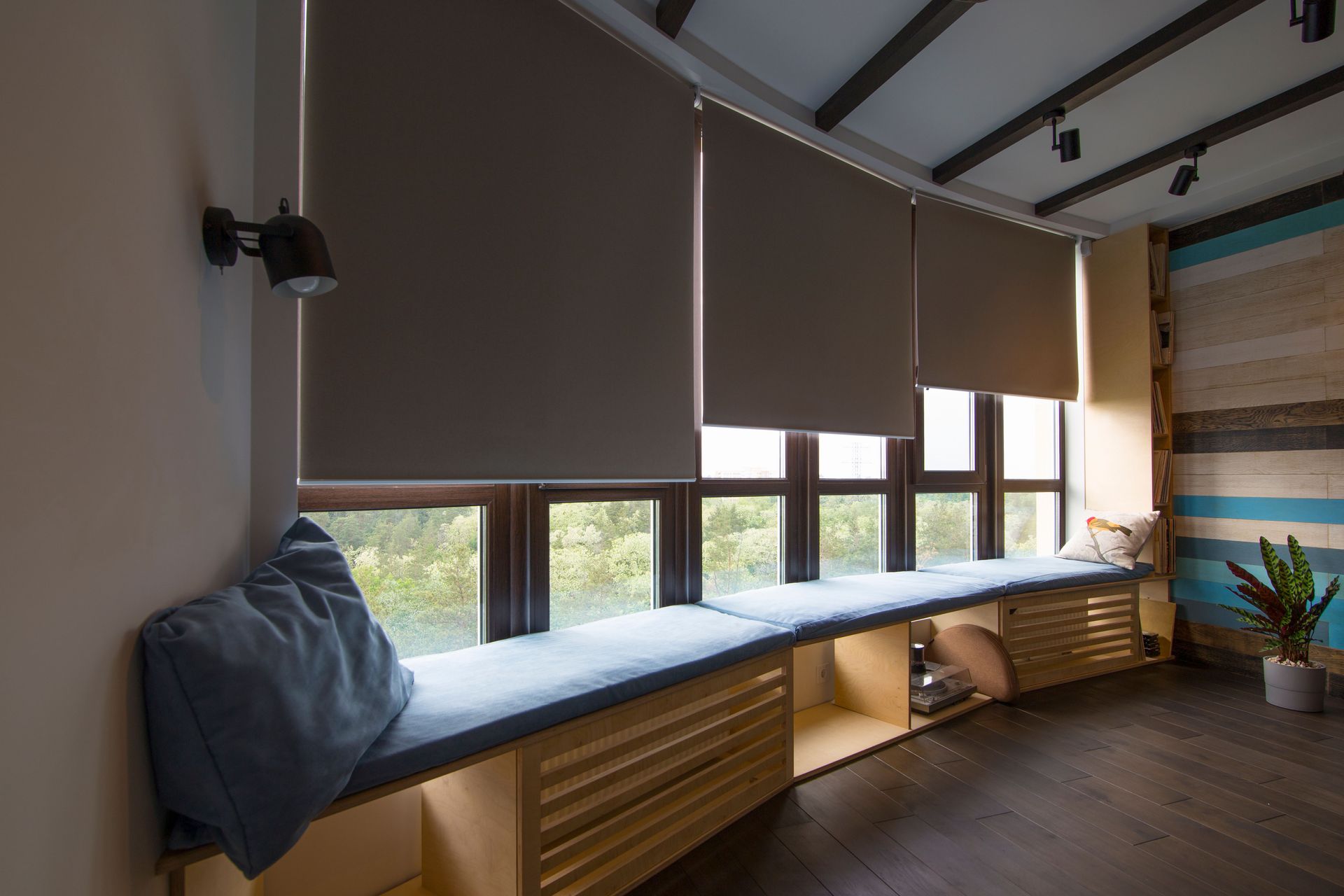
Appearance is another important factor when updating window coverings. Since windows often occupy a noticeable amount of wall space, their appearance can influence the overall design of a room. Choosing colors, patterns, and styles that complement the existing decor can help create a more balanced interior. Start by looking at the room's current color palette. Wall colors, flooring, furniture, and decorative accents can all influence which options will work well. Neutral colors can create a simple appearance that coordinates with different design styles, while more noticeable colors or patterns can add visual interest.
It is also worth considering the overall atmosphere you want to create. Some rooms benefit from a lighter appearance that feels open and relaxed, while others may look more comfortable with deeper colors and softer visual elements. The goal is to choose something that complements the surrounding space without making the windows feel disconnected from the rest of the room. When updating several rooms, consider how the different styles will look together. Each space can have its own appearance while still maintaining a consistent design throughout the property. Reviewing colors and materials alongside existing furnishings can make these decisions easier.
Managing Natural Light and Privacy
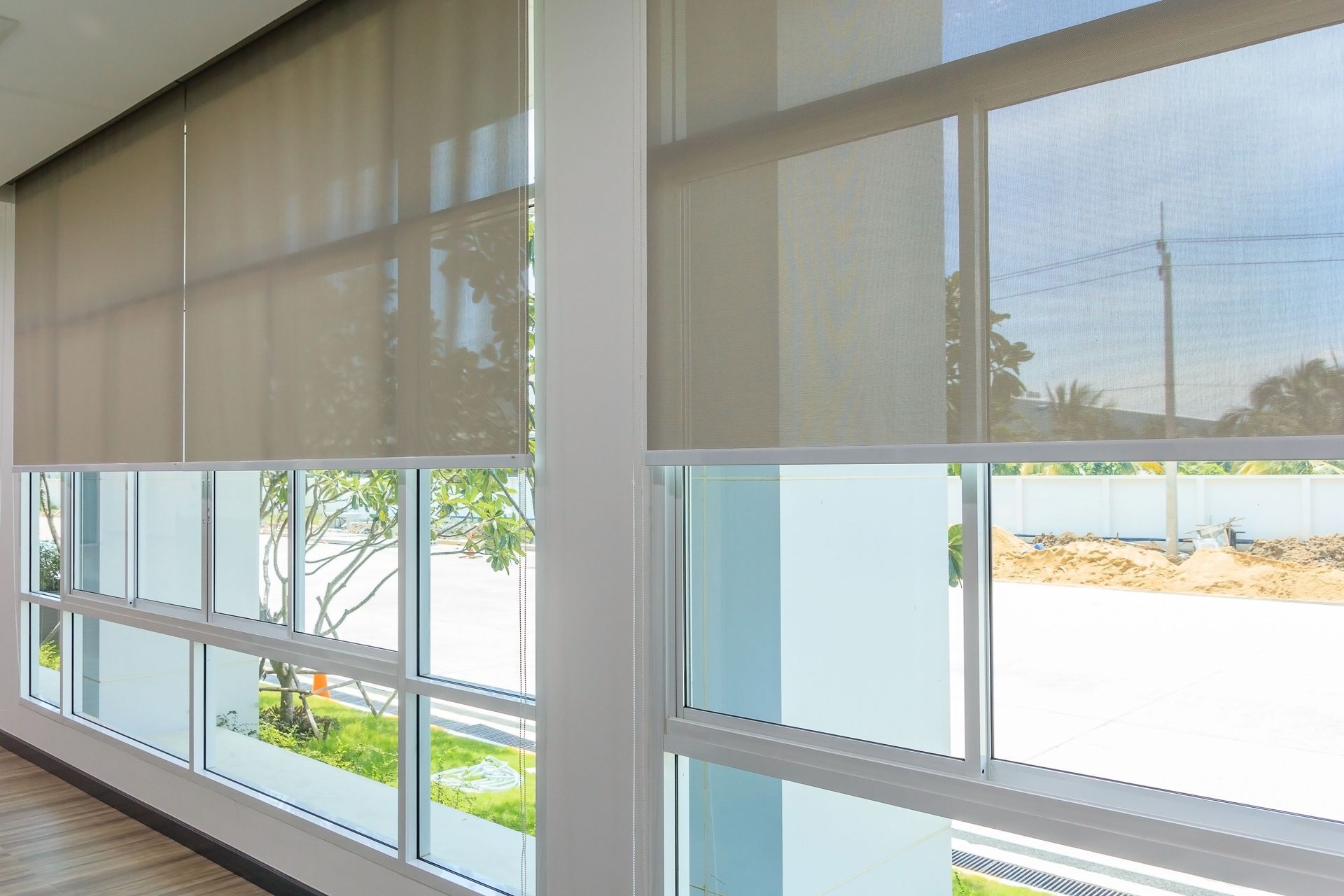
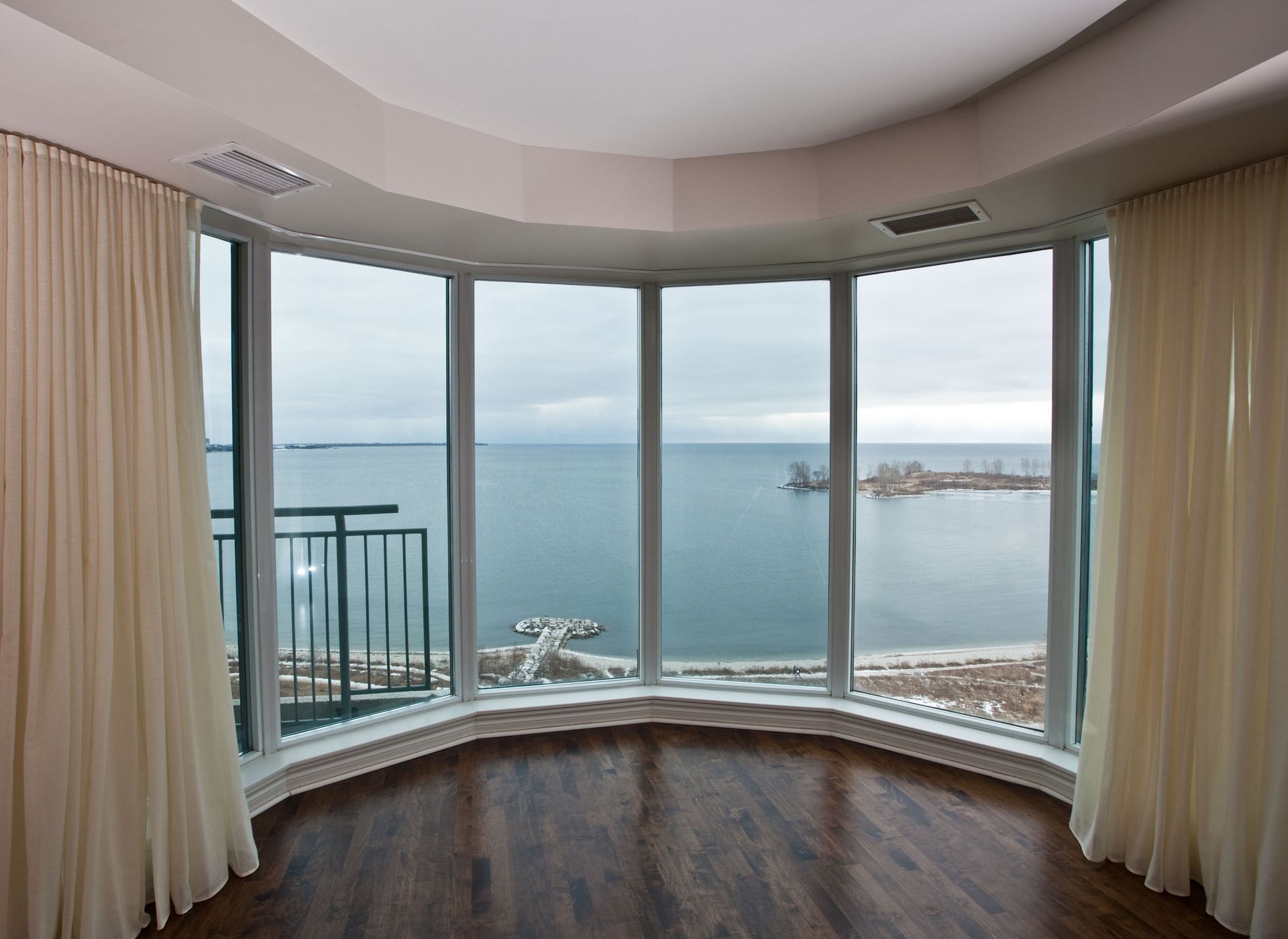
The amount of natural light entering a room can affect its comfort, appearance, and everyday use. Some spaces benefit from plenty of sunlight, while others require more control over brightness throughout the day. Before choosing new coverings, consider how much light each room receives and whether the current arrangement meets your needs. Bedrooms and bathrooms often require greater privacy, particularly when windows face neighboring properties or public areas. Living rooms and kitchens may have different requirements depending on their location and how frequently they are used. Considering the surrounding environment can help determine how much visibility and light control are appropriate.
It is also important to think about how sunlight changes throughout the day. A room that receives direct afternoon sunlight may become uncomfortable during certain seasons. Other spaces may receive limited natural light and benefit from an arrangement that allows more daylight to enter. Finding a suitable balance between privacy and natural light can improve the overall experience of a room. Consider how much outside visibility you want to limit without making the interior feel darker than necessary.
Considering Energy Efficiency and Comfort
Energy efficiency is another factor worth considering when updating window coverings. Windows can influence indoor temperatures by allowing heat to enter during warmer months and allowing warmth to escape during colder weather. The way these areas are covered can affect how comfortable a room feels throughout the year. According to Worldmetrics, 68% of consumers in the United States prioritize energy efficiency when shopping for blinds and window coverings. This reflects the growing interest in household features that support comfortable indoor environments while helping manage energy use. Window coverings can contribute to this goal by influencing how much sunlight and heat enter a space.
Rooms with large windows or significant direct sunlight may require more attention to temperature changes. During warmer months, controlling sunlight can help reduce unwanted heat. During colder periods, certain window covering arrangements can provide another layer between the interior and the glass. It is also helpful to consider the direction windows face. South- and west-facing windows may receive substantial sunlight during the day, while north-facing windows often receive less direct sunlight. These differences can influence the amount of light and heat entering each room.
Assessing Materials and Maintenance Needs
The materials used for window coverings can influence their appearance, durability, and maintenance requirements. Some materials may be easier to clean, while others may require more careful attention to maintain their condition. Considering these differences can help determine which options are appropriate for each room. For example, kitchens and bathrooms often experience more moisture, heat, and everyday activity than other areas. Materials used in these spaces should be considered in relation to those conditions. Bedrooms and living rooms may have different requirements depending on sunlight exposure, household activity, and general preferences.
Dust accumulation is another consideration. Window coverings can collect dust over time, particularly in rooms with frequent activity or open windows. Choosing materials that are relatively easy to maintain can make routine cleaning more manageable. Sunlight exposure can also affect the condition of certain materials. Extended exposure to direct sunlight may contribute to fading or changes in appearance over time. Rooms with large windows or significant daily sunlight may require additional consideration when choosing materials. Think about how much maintenance you are comfortable managing and how frequently each room is used. These details can help narrow down suitable choices while supporting a consistent appearance throughout the property.
Reviewing the Overall Design and Budget
Before moving forward with an update, review the overall design and available budget. Window coverings should complement the other features of each room, creating a balanced appearance. Consider which windows need immediate attention and which updates can wait. Establishing priorities can help organize the project and manage spending. The budget should account for materials, measurements, installation requirements, and any needed adjustments. Seeking professional help can provide a clearer understanding of the process and potential costs. Compare the practical benefits of different options, including privacy, light control, and everyday comfort, rather than focusing solely on appearance.
Updating the coverings on your windows is an opportunity to improve the appearance, comfort, and functionality of your interior spaces. From evaluating privacy requirements to considering natural light, energy efficiency, materials, and long-term preferences, each detail can influence the overall outcome. The most effective approach starts with understanding how each room is used and identifying what you want to improve. Taking time to compare design preferences with practical requirements can help create spaces that feel comfortable and coordinated. If you are considering new window treatments, contact Interior Details Inc to discuss your preferences and explore options that complement your space.